
As the harvest draws nearer and nearer, a close eye is kept on the acid and sugar levels in the grapes. The longer we wait, the lower the acid and higher the sugar levels become. Some grape varietals such as Gewürztraminer ripen earlier and is therefore harvested earlier. High acidity is preferred for sparkling wine, so those grapes are harvested before sugar levels get too high. In general, however, we need some steady, mild heat and sunshine in the home stretch.
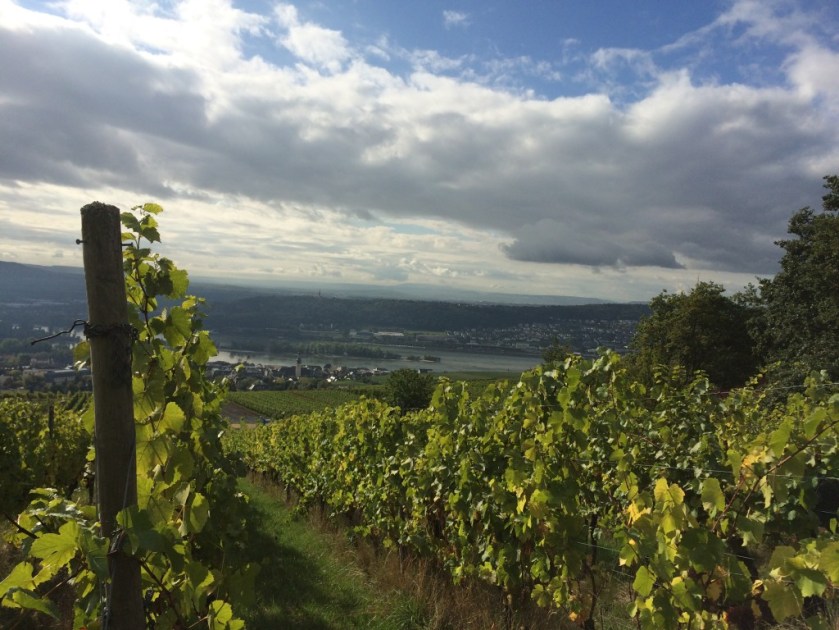
Unfortunately, the past couple weeks have been cold and rainy. This is not too good for this critical time in the grapes’ ripening. Too much rain at this time and the grapes become watery. After the storms we had, some of the grapes were damaged. The skins had been punctured, the pulp exposed, and bacteria invaded.
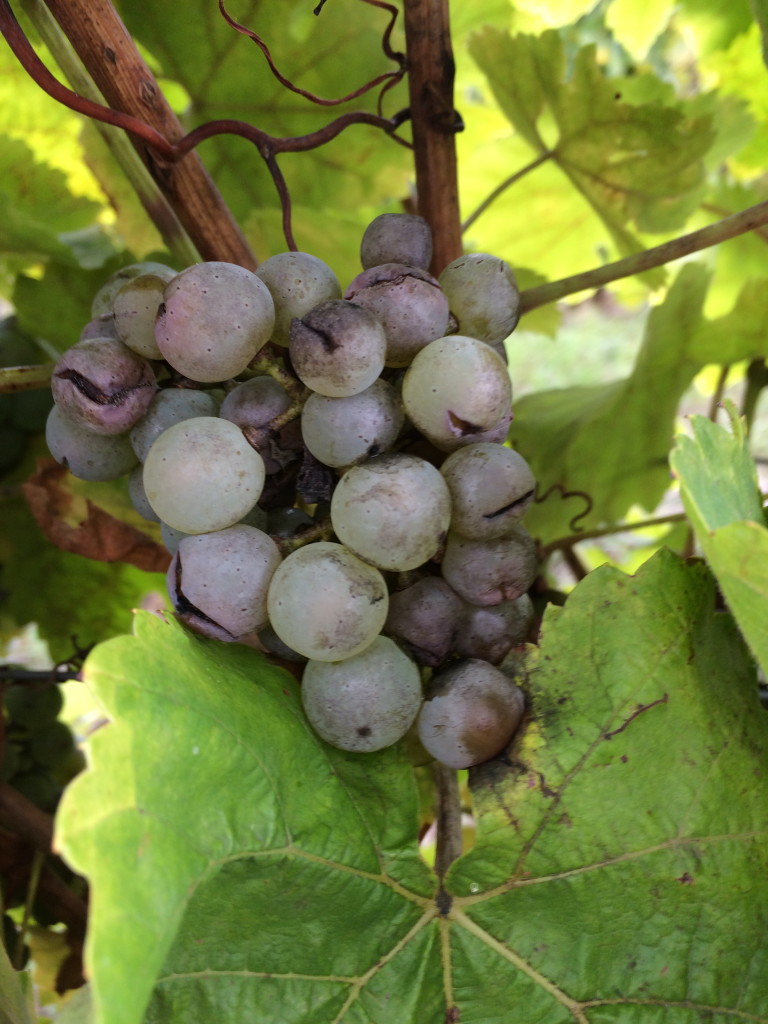
Other ways in which grapes become infected is though Oidium – a powdery fungus that develops on the grapes. This is usually dealt with early in the season by spraying sulfur or other fungicides on the vines. Another fungus that can develop is called Botrytis. Botrytis can in fact be a sought after mold – one that is made into delicious sweet wines. This is referred to a “noble rot”. In this situation, humid conditions are followed by dry conditions. The fungus removes water from the berries, concentrating the sugars. However, other mold and mildew can also form that are undesired and dangerous to the crop yield.

It is important to inspect the vineyards frequently this close to the harvest. If sugar and acid levels aren’t perfect, but infection is quickly setting in, you might decide to pick the remaining healthy grapes early.
100 Berry Test
Aside from generally looking at the health of the grapes, a “100 berry” test is done out in the fields to roughly determine the sugar and acid levels. Approximately 100 grapes of one particular varietal are selected at random point all over grape bunches throughout the entire vineyard. Some from the bottom of the bunch, some from the top, some from the front, and some from the back. All over. These grapes are then pressed and the juices analyzed.

A refractometer is used to measure the sugar levels. In Germany we use the unit of measurement called Oechsle (in English: Brix). The acid levels are measured by adding a sodium hydroxide liquid to the juice. When the grape juice turns blue, you have the acid level reading. This process does not take many instruments or materials, so a quick analysis in the field is possible.
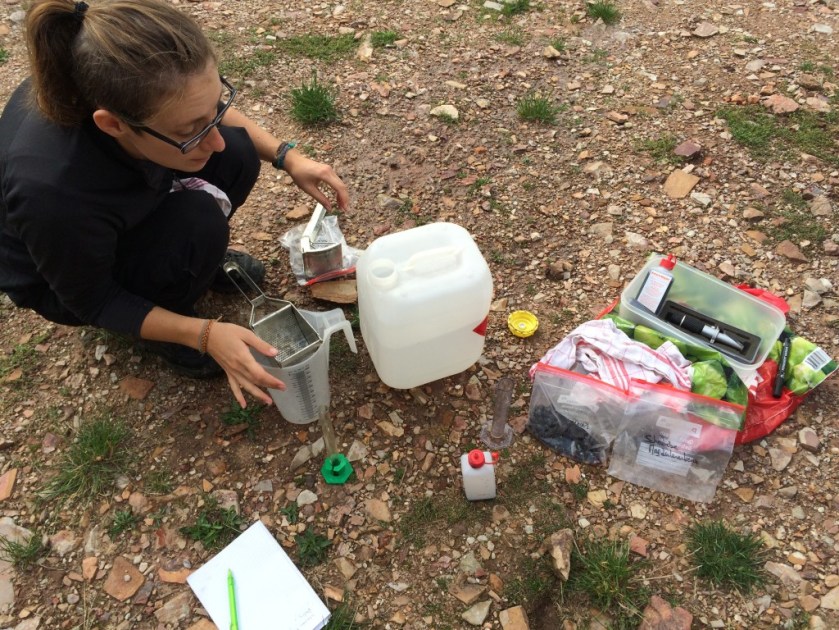
The grapes we were looking at (Pinot Noir, Auxerrois, Scheurebe, and Riesling) all showed higher acid levels and lower sugar levels than desired. The outcome? It is clear that these grapes must be left on the vines for a couple weeks longer. Soon, however, the harvest will begin.
 heatheruncorked.com